



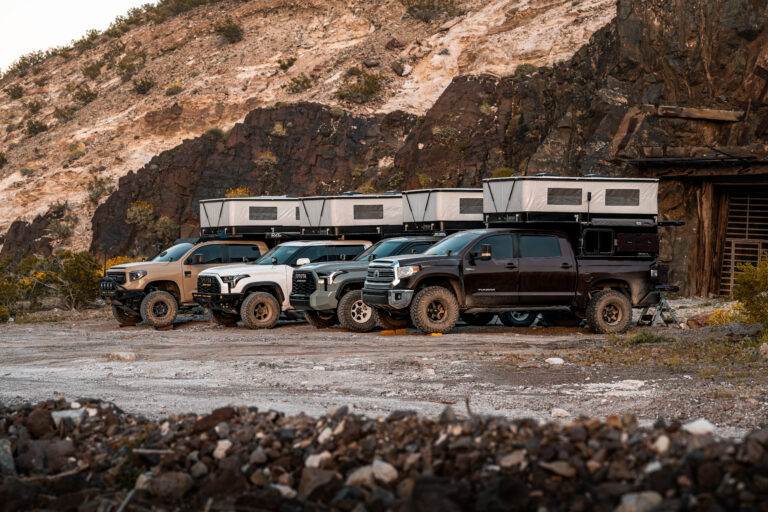


How to Winterize Your Truck Camper
Published Date: October 20, 2026
By Shalee
Although Four Wheel Campers can be used for year-round adventures, we get that winter camping isn’t everyone’s forte! If you’re parking your camper for the season, yes, winterizing protects your plumbing and keeps you from dealing with cracked lines come spring. But if you’re one of the growing number of people who camp with us all year long, winterizing looks a little different. It’s less about shutting things down and more about gearing up.
In this article, we’ll walk you through both! How to properly winterize your truck camper for storage, and how to set your rig up so winter camping becomes just another season you get to enjoy instead of one you dread.

Winterizing Your FWC Truck Camper
Winterizing the water system is the single most important thing you can do. Water left in your lines, tank, or water heater can freeze, expand, and crack fittings, pumps, and plumbing, and that’s a repair nobody wants to deal with in the spring.
Here’s how we recommend doing it:
1. Water System: Drain the water system completely. Blow out all water lines and outlets, including faucets, the outside shower, water pump, and water heater, as applicable (even if they were never used). Make sure no water remains that could freeze and cause damage.
2. Battery: Fully charge the battery before storage. If equipped with Expion batteries, turn the batteries off. Turn off the camper’s battery disconnect. If equipped with AGM batteries, recharge the batteries every three months while the camper is in storage.
3. Refrigerator: Remove all food and thoroughly clean and dry the refrigerator. Turn the refrigerator completely off and leave the refrigerator door slightly open to allow ventilation during storage.
4. Food & Bedding: Remove all perishable food items and bedding to help prevent moisture, odors, mold, and pests.
5. Close Openings: Close all roof vents, windows, doors, and turnbuckle access portals.
6. Side Liner: Make sure the side liner is clean and completely dry before lowering the roof.
7. Roof: Lower and properly stow the roof, making sure the side liner is tucked correctly.
8. Roof Latches: Secure all roof latches before storage.
9. Final Check: Verify that the camper is clean, dry, properly closed, and secured for extended storage.
10. Storage: In wet climates, it’s recommended, to remove mattress to allow for airflow into cabover area.
11. Check on it: Every few weeks, pop up the camper, inspect and air out as needed.
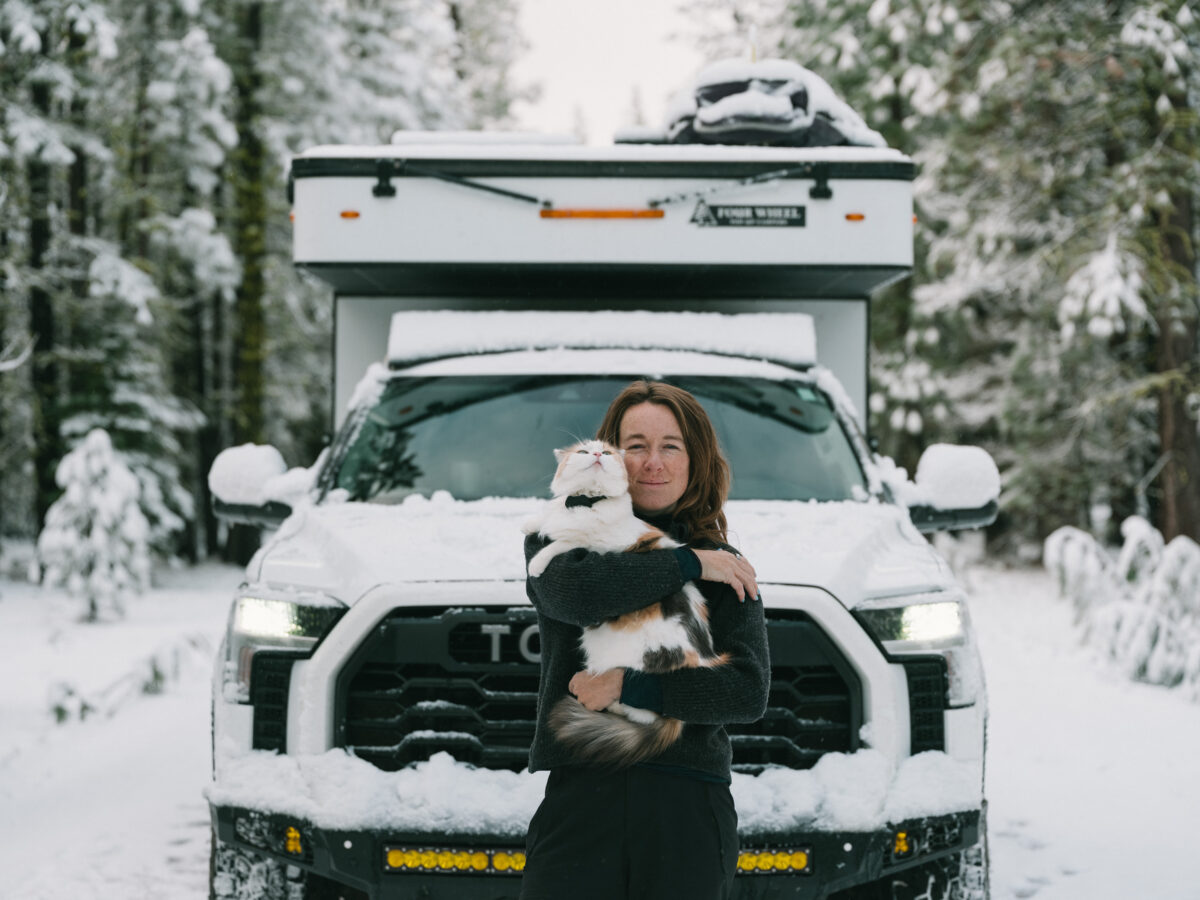
Prepping for Cold-Weather Adventures
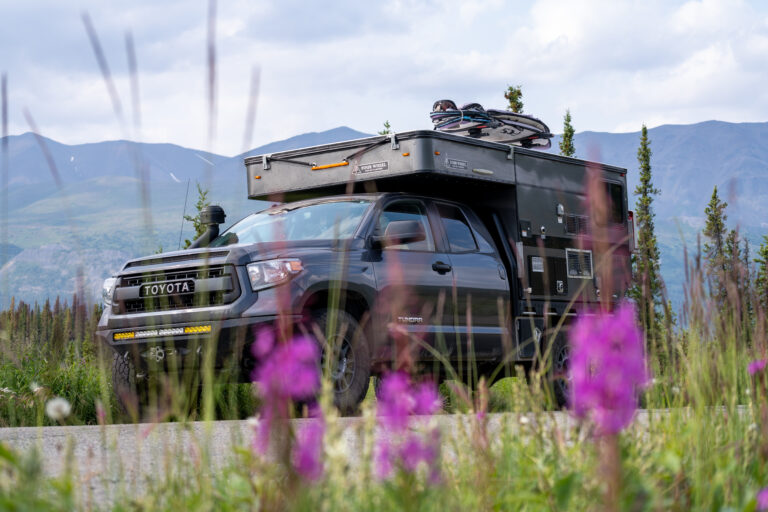
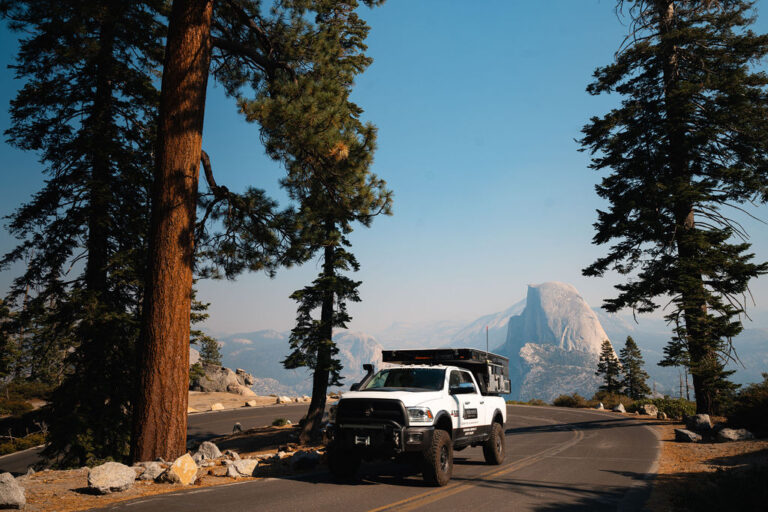
Here’s the thing we want more people to know: you don’t have to put your camper away just because the temperature drops! A huge number of Four Wheel Camper owners use their rigs year round, chasing snow, hunting season, or just enjoying the quiet solitude that winter camping offers. A well set up truck camper, especially a lightweight pop up like ours, can absolutely handle cold weather with the right prep.
The goal here isn’t winterizing in the traditional sense, it’s cold weather readiness. A few upgrades make a real difference:
1. Quilted thermal lining
This is one of the most popular options we offer, and for good reason. Our quilted thermal panels fit over the soft sided pop up walls and dramatically improve insulation, helping trap heat inside and keep the cold out. If you’re serious about winter truck campers, this is one of the first upgrades we’d point you toward.
2. An added furnace helps
A propane furnace turns a chilly night into a genuinely comfortable one, and it’s an option we can build into nearly any model in our lineup. Combined with the thermal lining, a furnace lets you camp comfortably even when overnight temps drop well below freezing.
4. Avoid using your water systems
The main thing we never recommend is using your water systems in freezing temperatures. Instead, look at alternative methods for water use if you plan to winter camp.
5. Battery and propane management in the cold
Cold weather reduces battery efficiency and propane pressure, so it’s smart to carry a bit more propane than you think you’ll need and keep batteries as warm as practical, since performance drops noticeably as temperatures fall.
We put together a full breakdown of this in our guide on how to stay warm while winter camping, which goes deeper into layering, sleep systems, and day to day habits that make cold weather trips genuinely enjoyable rather than something to grit your teeth through.

Full Size and Flatbed Campers Have an Edge in Winter
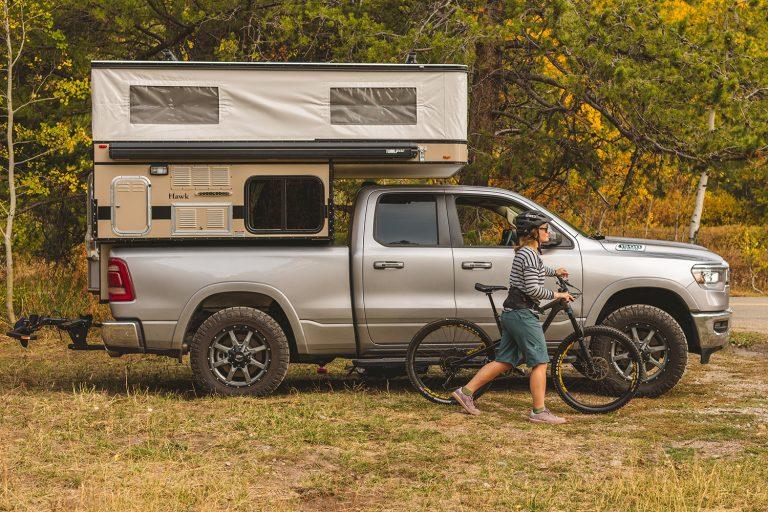
If winter camping is a real priority for you, it’s worth thinking about that when you’re choosing your camper in the first place. Our full size slide in truck camper models, like the Hawk and Grandby, and our flatbed truck camper models, like the Hawk+ Flat Bed and Grandby Flat Bed, offer more interior space and more room for cold weather add-ons like a furnace, extra insulation, and larger water and power systems that make extended winter stays more comfortable. The added floor space also just makes a big difference when you’re spending more time indoors waiting out weather or warming up after a day in the snow.
That said, our midsize campers hold up just fine in the cold too, especially with the thermal lining and furnace options added in. It really comes down to how much space and how much winter capability you want built into your rig.
Building a Truck Camper That Works Year Round
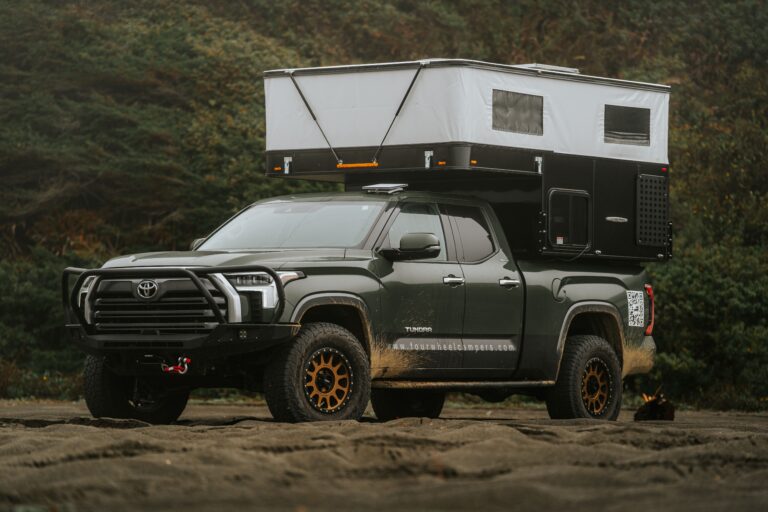
The best camper for winter and the best camper for summer can absolutely be the same camper. A well-equipped Four Wheel Camper, with quilted thermal lining, a furnace, good battery management, and smart water habits, is built to handle all four seasons, not just the warm ones. Whether you’re parking it for a few cold months or taking it straight into a snowy trailhead, the choice is yours, and we build every camper to give you that flexibility.
If you’re gearing up for your first winter trip or thinking through options for your next build, reach out to our team. We’ve spent a lot of winters in these campers ourselves, and we’re always happy to help you figure out what setup makes sense for how you camp.
Ready to build your ideal winter camping rig? Use our truck camper build tool to get started!