Overlanding vs. Off-Roading: What’s The Difference?
Overlanding and off-roading are often used interchangeably, but they are actually very different activities! They do have some similarities, but many of those who purchase our pop up truck campers are interested specifically in overlanding. If you are just getting into the hobby of overlanding and wondering how it differs, here is our full guide when it comes to overlanding vs. off-roading.
What is Overlanding?
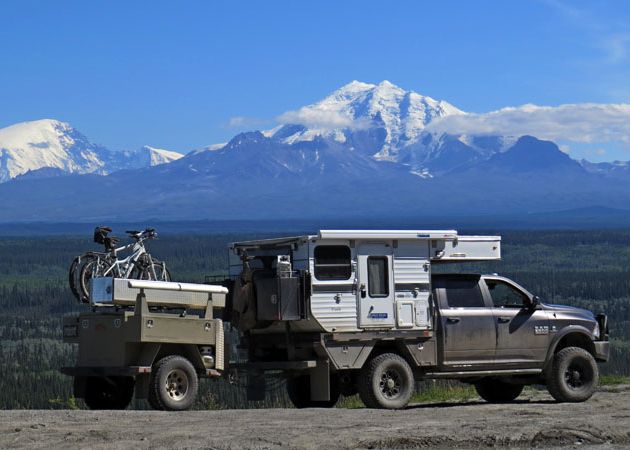
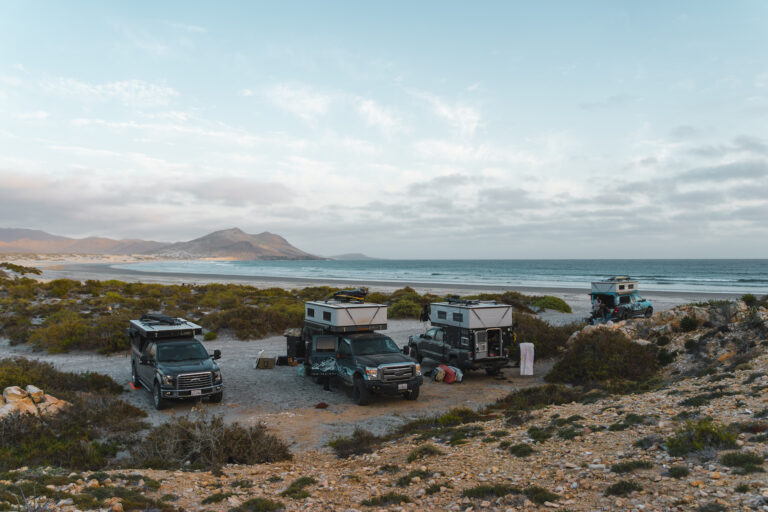
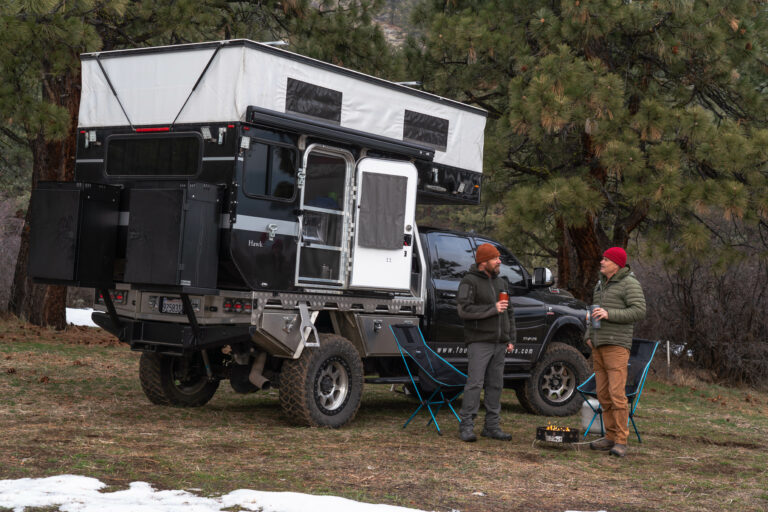
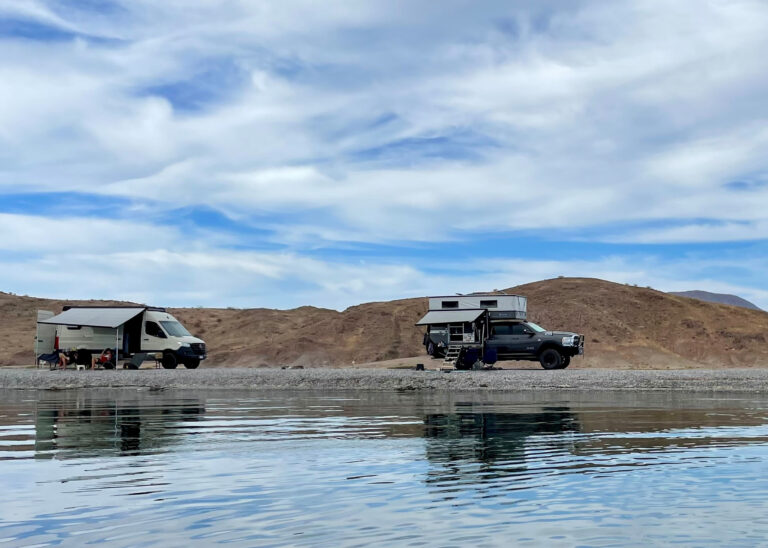
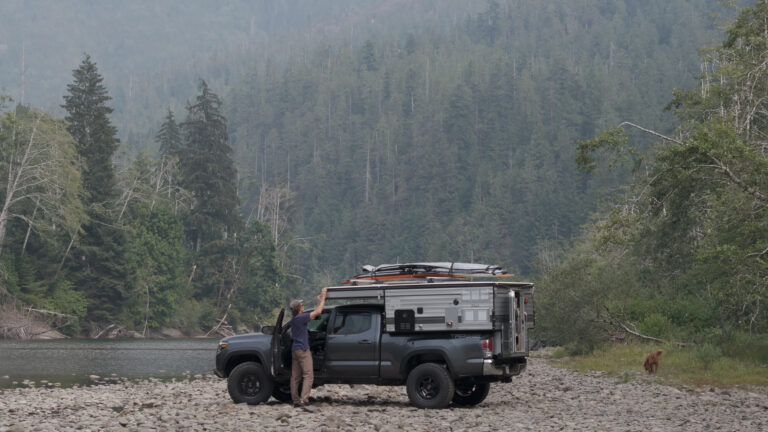
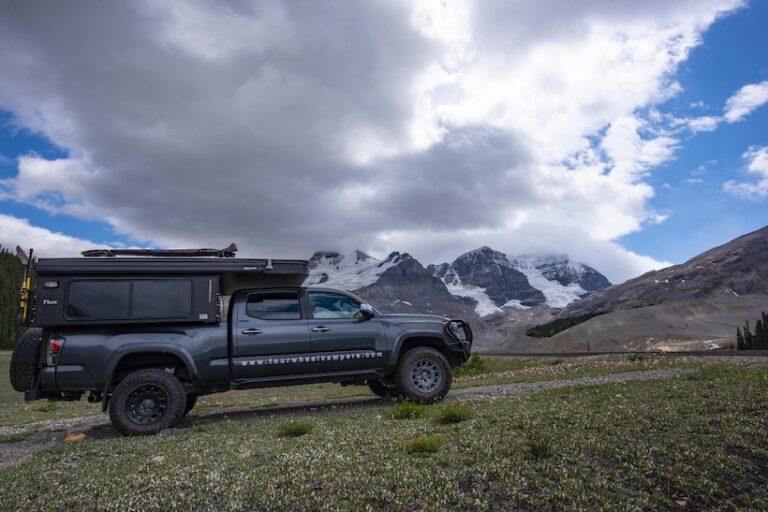
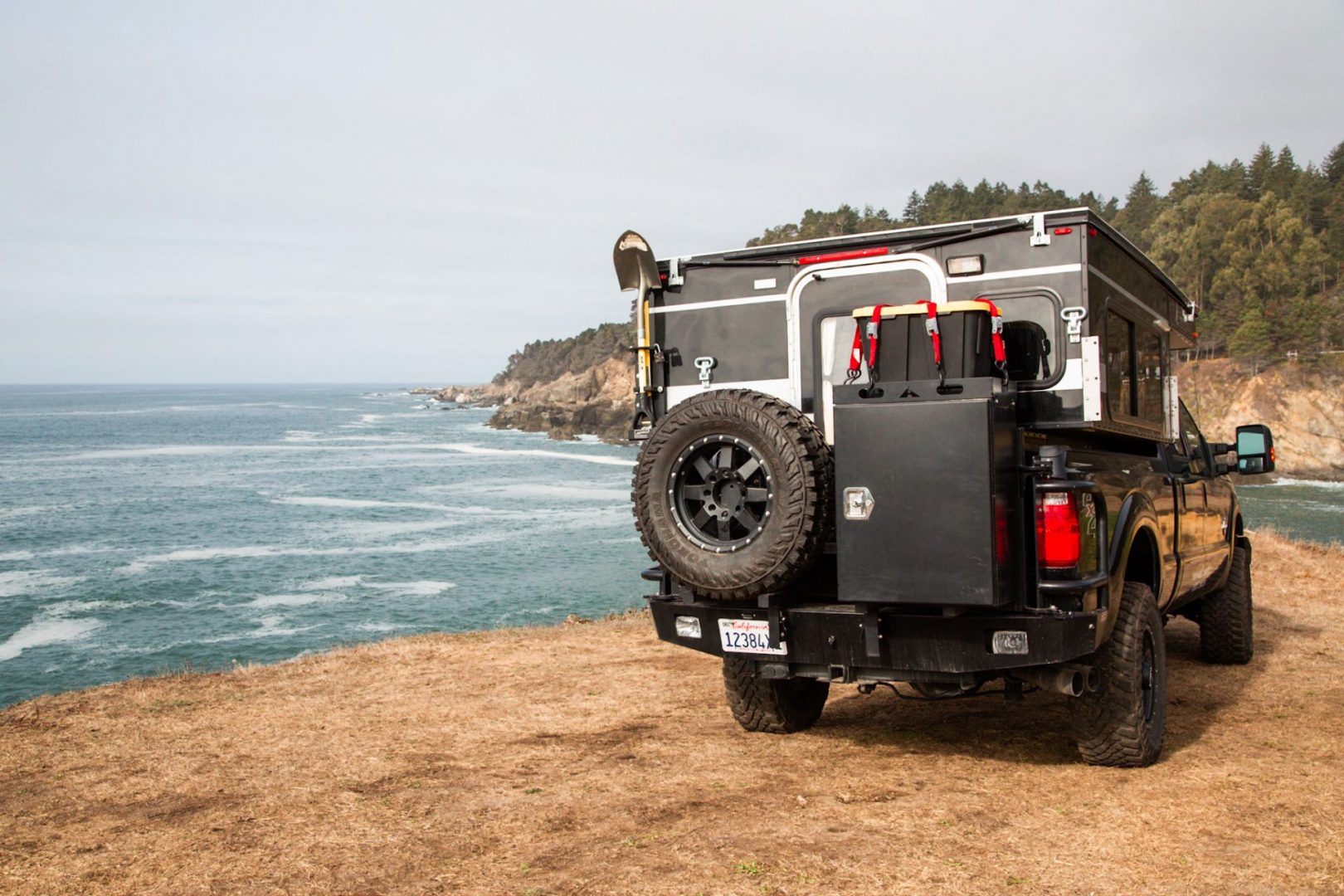
Overlanding is a form of self-reliant, long-distance travel that involves exploring remote areas and traversing rugged terrains in a truck camper or equipped rig that can handle 4×4 roads or rough terrain. We have an entire blog post dedicated to the best overlanding routes in the United States that you can find here. With overlanding, it’s about the journey, not just the destination. Trips can often last multiple days, weeks, or even months. Overlanders strive for self-sufficiency, carrying camping gear, supplies, and equipment for extended off-grid travel, including food, water, shelter, and communication tools. Instead of traveling lightly and quick, overlanding is slower and more calculated.
What is Off-Roading?
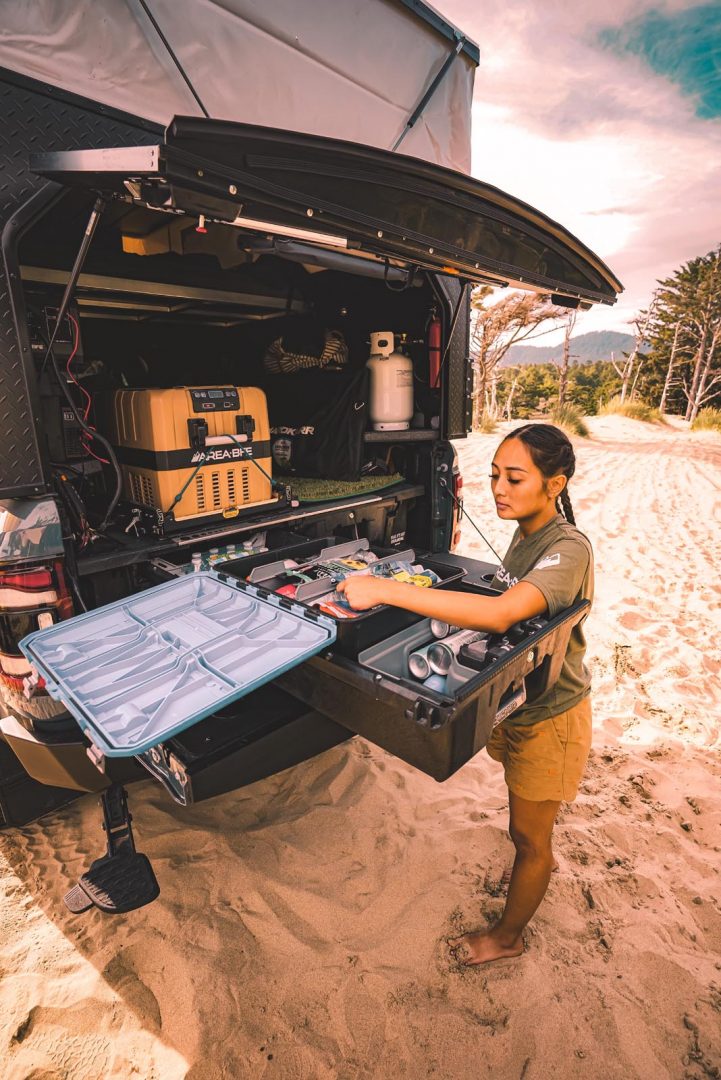
Off-roading, on the other hand, is a more adrenaline-pumping adventure that involves driving a dirtbike, jeep, ATV, or UTV through rough, challenging terrains. It’s typically focused on technical driving skills, pushing the limits of the vehicle’s capabilities, and seeking thrilling experiences. Off-roading activities are typically day trips that do not need additional equipment to last in the backcountry for longer than a few hours.
Differences between Overlanding and Off-Roading:
While both overlanding and off-roading involve driving through rugged terrains in a truck camper, OHV, dirt bike, etc., there are some notable differences between the two adventures:
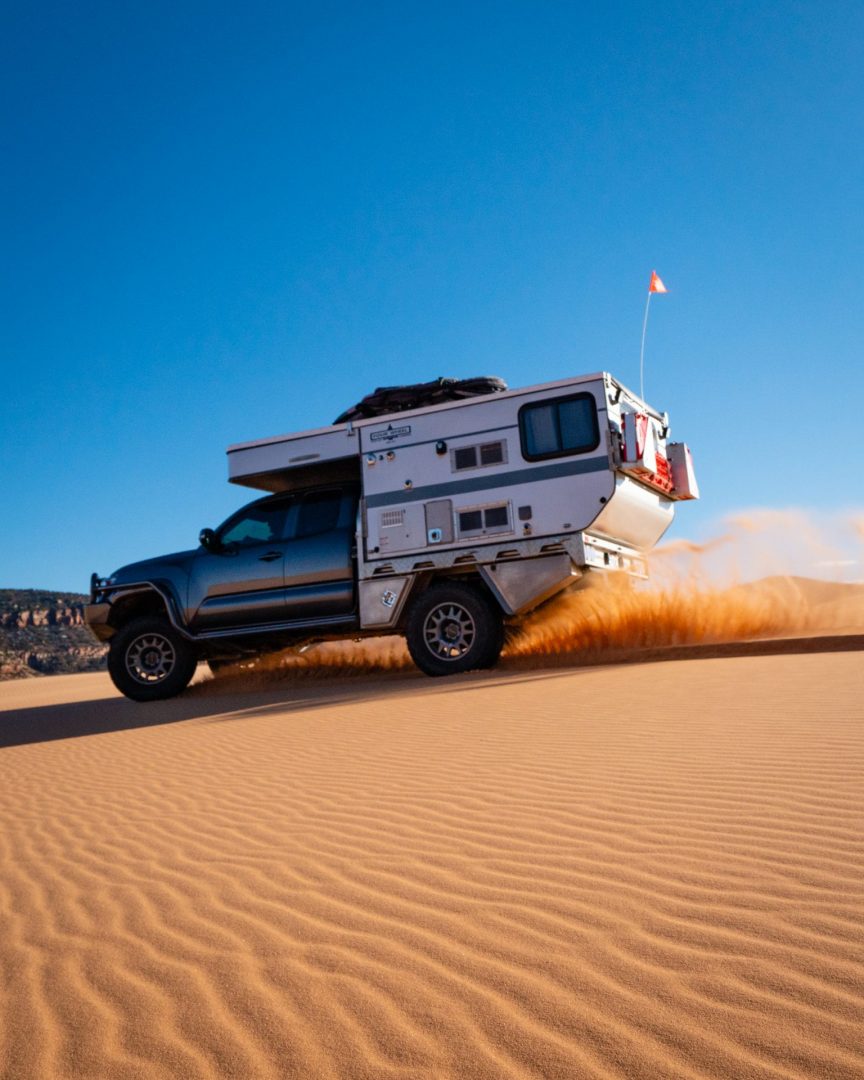
- Duration and Distance: Overlanding involves long-distance, extended travel, covering vast distances and exploring remote areas over several days or weeks. Off-roading trips are usually shorter, ranging from a day trip to a weekend adventure.
- Vehicles: Overlanders often use 4×4 truck campers, SUVs, or modified campers/trailers designed for extended off-grid travel, including our pop-up truck campers. On the other hand, off-roaders typically use highly modified and specialized vehicles optimized for performance and conquering challenging terrains, such as jeeps, ATVs, dirt bikes, or side-by-sides.
- Focus: Overlanding is more about the journey, exploration, and connecting with nature and local cultures. It prioritizes self-sufficiency, carrying camping gear and supplies for extended travel. Off-roading, on the other hand, is more focused on the technical challenges of navigating through difficult terrains, pushing the vehicle’s capabilities, and seeking adrenaline-pumping thrills.
- Camping and Accommodation: Overlanders often camp in remote campsites or stay in their truck campers or pop-up truck campers, while off-roaders may camp at designated off-road parks or return home after a day trip, as overnight stays are less common in off-roading adventures.
- Gear and Equipment: Overlanders typically carry camping gear, supplies, and equipment for extended travel, including food, water, shelter, and communication tools. Off-roaders, on the other hand, often carry specialized gear for vehicle recovery, such as winches, recovery straps, and recovery boards, to tackle obstacles on the trail.
Choosing the Right Adventure for Your Truck Camper:
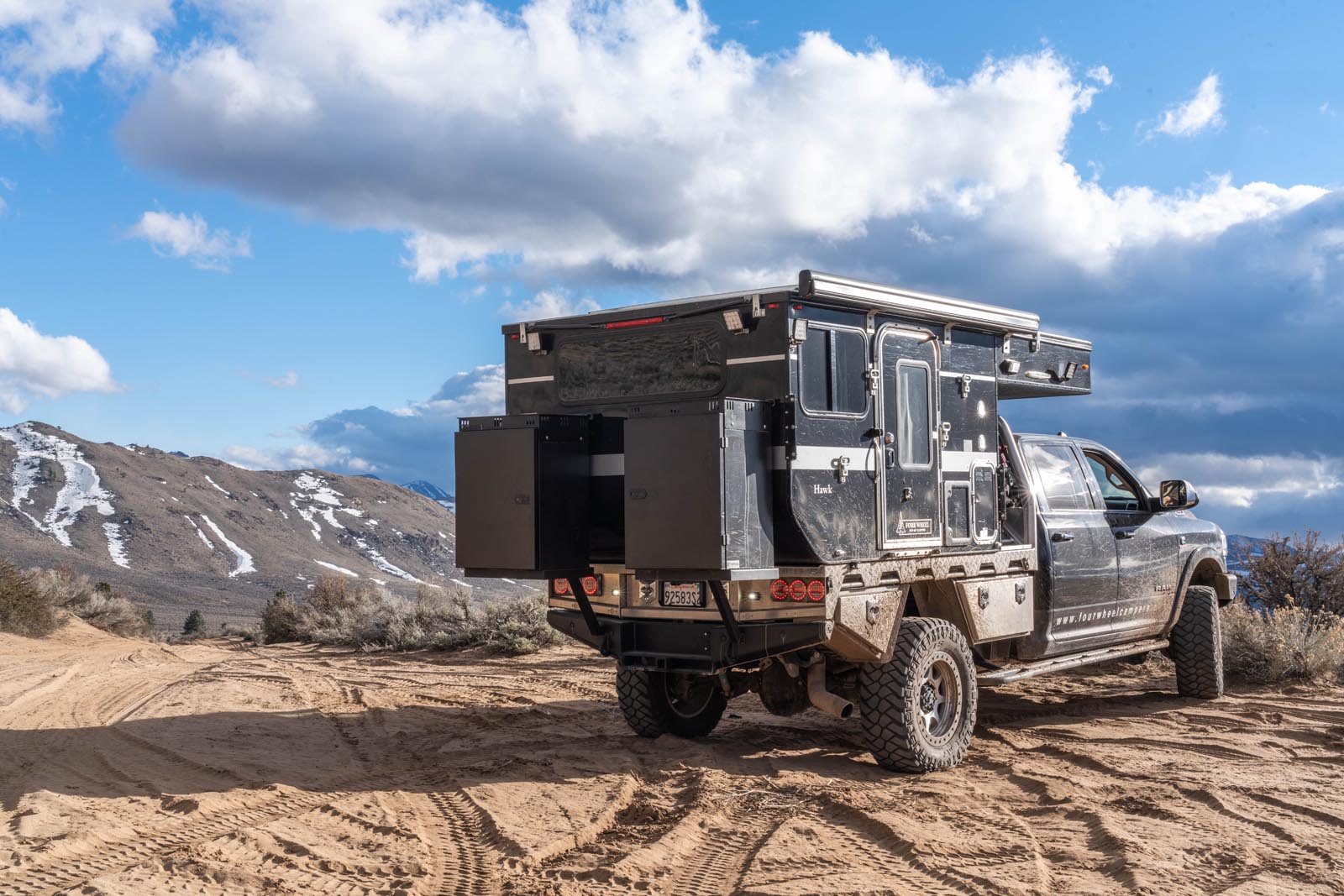
If you’ve recently bought a Four Wheel Camper truck camper or are considering buying a truck camper, here’s how to choose what adventure is best for your rig.
- Your Travel Style: If you enjoy the idea of long-distance travel, exploring remote areas, and immersing yourself in nature, overlanding might be the right fit for you. On the other hand, if you prefer adrenaline-pumping thrills, technical driving challenges, and shorter trips, off-roading might be more appealing.
- Your Rig: If you own a truck camper or a pop-up truck camper, overlanding can be a great option as these campers are designed for extended off-grid travel with self-sufficiency features such as built-in kitchens, sleeping quarters, and storage. Overlanding allows you to fully utilize the capabilities of your truck camper and experience the freedom of off-grid camping. However, with proper modifications and gear, some off-roading adventures can also be enjoyed with a truck camper or a pop-up truck camper, depending on the level of ruggedness and technicality of the trails.
- Your Gear and Equipment: If you already have camping gear, supplies, and equipment for extended travel, overlanding may be a more feasible option. However, if you’re willing to invest in specialized off-roading gear and modifications for your truck camper, such as lift kits, off-road tires, and recovery equipment, you can also venture into off-roading adventures.
- Your Skill Level: Overlanding typically requires outdoor skills such as navigation, camping, and self-sufficiency. Off-roading, on the other hand, requires advanced driving skills and technical knowledge of off-road techniques. Consider your skill level and comfort level in challenging terrains when choosing your adventure.
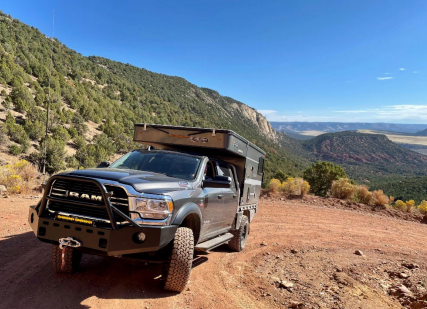
Overlanding with Four Wheel Campers
Overlanding and off-roading are two distinct but exciting adventures for truck camper owners. Most of those who purchase our Four Wheels Campers are interested in overlanding more so than off-roading. Regardless of your choice, always prioritize safety, responsible outdoor practices, and respect for the environment and local communities. So gear up, hit the trails, and embark on an unforgettable adventure with your truck camper or pop-up truck camper! Happy travels!