




The Seven Best States for Dispersed Camping
Published Date: September 11, 2026
By Shalee
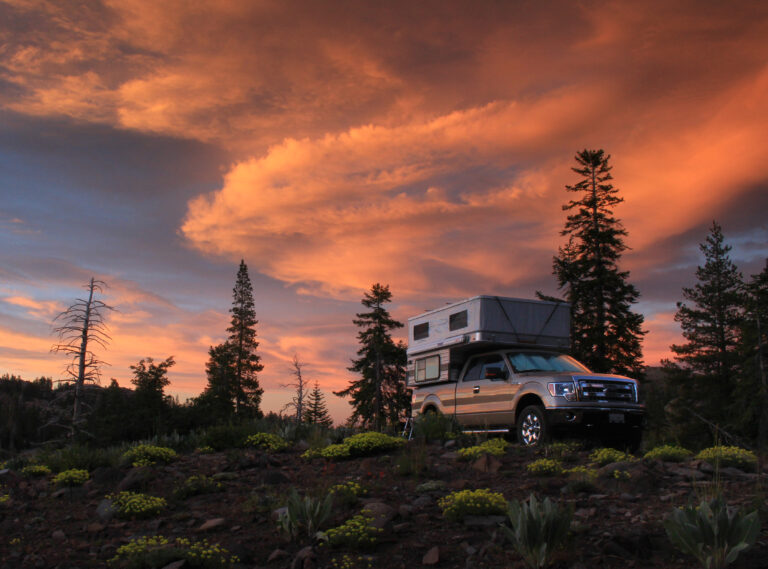
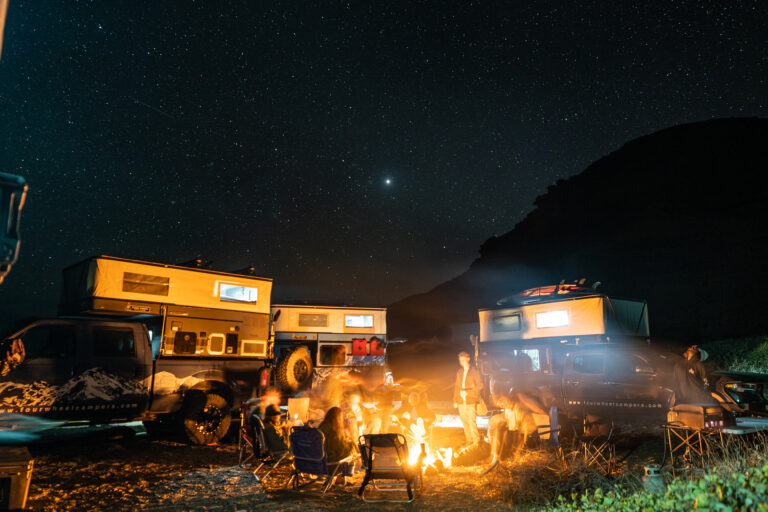
There's a specific kind of freedom that comes with dispersed camping. No reservation to make, no neighbor twenty feet away, no check in time. Just you, your rig, and a patch of public land you get to call home for the night, a weekend, or a week. It's one of the biggest reasons people fall in love with truck camping in the first place, and a big part of why we build our campers the way we do: light, capable, and ready to get off the pavement.
Dispersed camping is generally free, and it's typically allowed on Bureau of Land Management (BLM) land and in National Forests, as long as you follow local rules like staying within 14 day limits and camping at least 200 feet from water sources and designated trails. Not every state offers the same amount of public land or the same variety of terrain, though, so we put together a list of seven states that consistently deliver when it comes to dispersed camping. Here are some of our favorites in the FWC community!

1. Utah
Utah might be the single best dispersed camping state in the country. Whether looking for solitude in the high desert or quiet campfires in the forest, Utah has it all! With roughly 65 percent of the state under federal management between the BLM, Forest Service, and National Park Service, you're almost never far from a legal place to camp for free. The terrain alone makes it worth the trip, red rock canyons in the San Rafael Swell, slickrock plateaus outside Moab, and high alpine forest in the Uintas, all within a few hours of each other. Start planning with BLM Utah's recreation and camping page, which breaks down popular dispersed areas by field office.
2. Montana
Montana pairs massive, uncrowded public land with some of the most dramatic scenery in the Rockies. Between roughly 8 million acres managed by the BLM and vast stretches of National Forest, you can camp along trout streams in the Blackfoot River corridor, tuck into the foothills of the Beaverhead mountains, or post up near Glacier country with barely another vehicle in sight. Montana tends to draw fewer crowds than its neighbors, which makes it a favorite for campers who want real solitude. Because much of Montana sits at elevation, access is seasonal in a lot of areas, so plan trips for late spring through fall unless you're set up for serious winter camping. Check BLM Montana-Dakotas recreation for current site information and field office contacts.
3. Colorado
Colorado National Forest land is loaded with dispersed camping opportunities across the state, from the high desert plateaus near Grand Junction to alpine basins above 9,000 feet near Steamboat Springs and Lake City; just be prepared for popular spots to be crowded during peak season! If you plan to dispersed camp in Colorado on a summer weekend, claim your campsite early. Spreading out to less obvious areas, and checking conditions before you go, goes a long way. Visit BLM Colorado's recreation page for current opportunities and closures.
4. Idaho
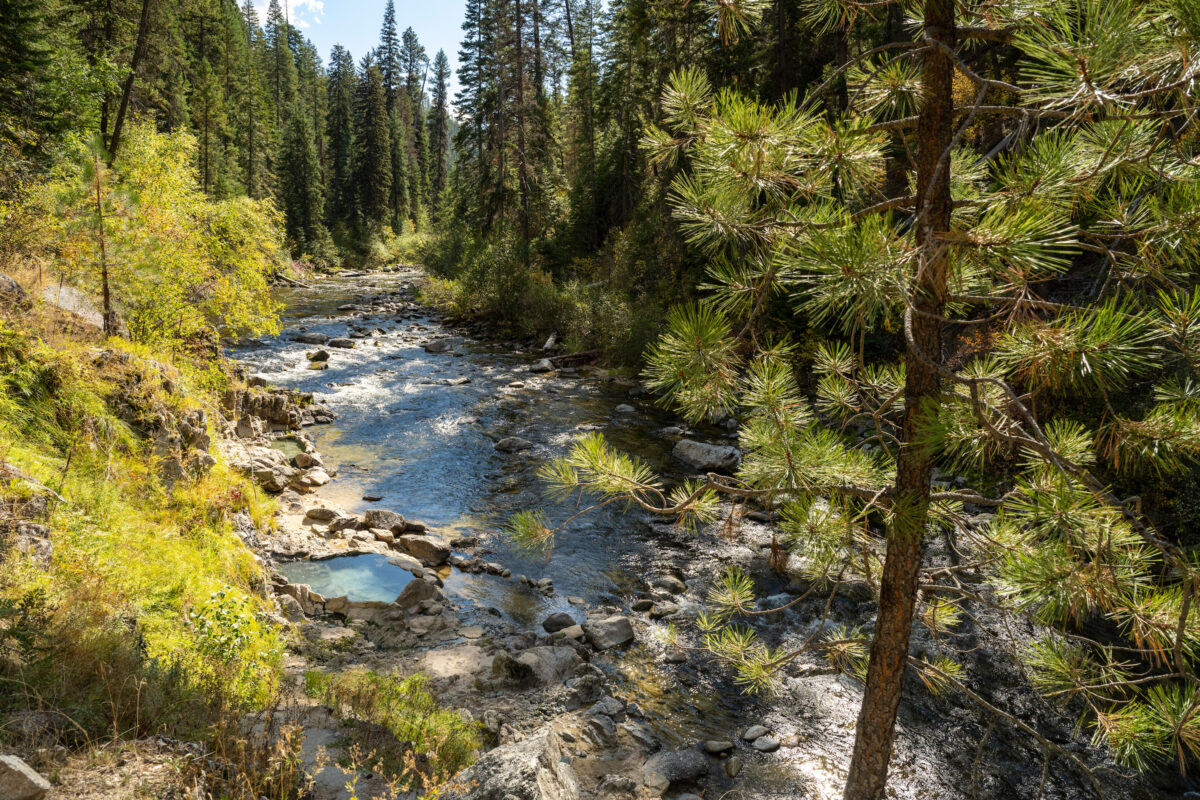
Idaho doesn't always get the credit it deserves, but it's one of the most rewarding states for dispersed camping if you like variety. You can camp along reservoirs and river corridors in the eastern part of the state, explore high desert terrain and wilderness study areas in the south, or find quiet forested sites near Coeur d'Alene Lake in the north. Idaho also has some of the more generous unattended property rules in the country, though it's still worth confirming current limits with the local field office before leaving gear behind at a site. Idaho's remoteness is part of its appeal, but it also means cell service and resupply points can be sparse, so plan accordingly. Start with BLM Idaho's recreation page to explore dispersed camping options by region.
5. Arizona
Arizona has some of the most permissive and accessible dispersed camping rules in the country, with roughly 12 million acres of BLM land across the state, most of it open to free camping without a permit. The Sonoran desert around Quartzsite is legendary among winter campers, and BLM Arizona manages several Long-Term Visitor Areas there and near Yuma where you can stay up to seven consecutive months with a permit if you want to settle in for the season.
Arizona's low desert areas are best in the cooler months, generally October through April, while the higher elevation forests around Flagstaff and the Mogollon Rim offer a great summer escape from the heat. Check BLM Arizona's recreation page for current site info and Long-Term Visitor Area details.
6. Wyoming
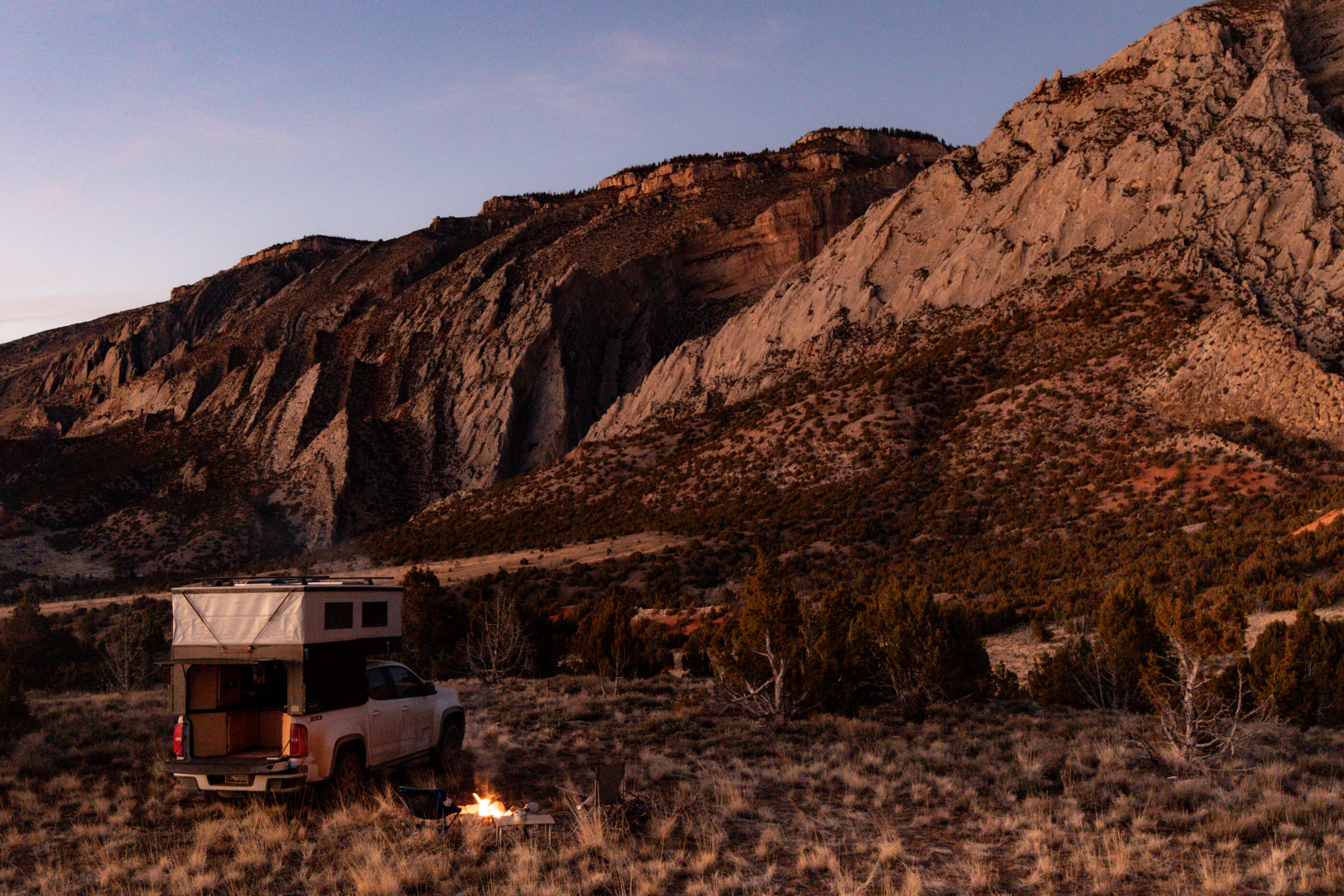
Wyoming offers some of the emptiest, most wide open dispersed camping in the Lower 48. Big sagebrush basins, national forest bordering Yellowstone and Grand Teton, and BLM land stretching across the Red Desert give you a lot of room to spread out. Because Wyoming's population is so small relative to its land area, even popular regions rarely feel crowded. Weather swings fast at elevation here, so pack for cold nights even in summer, and be ready for wind, since it's a near constant feature of Wyoming's high plains and basins. BLM Wyoming's recreation page is the best starting point for current site conditions and field office contacts.
7. California
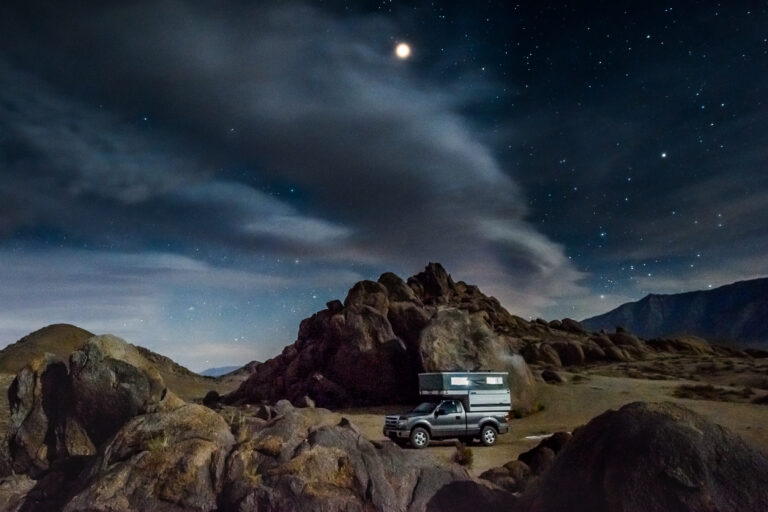
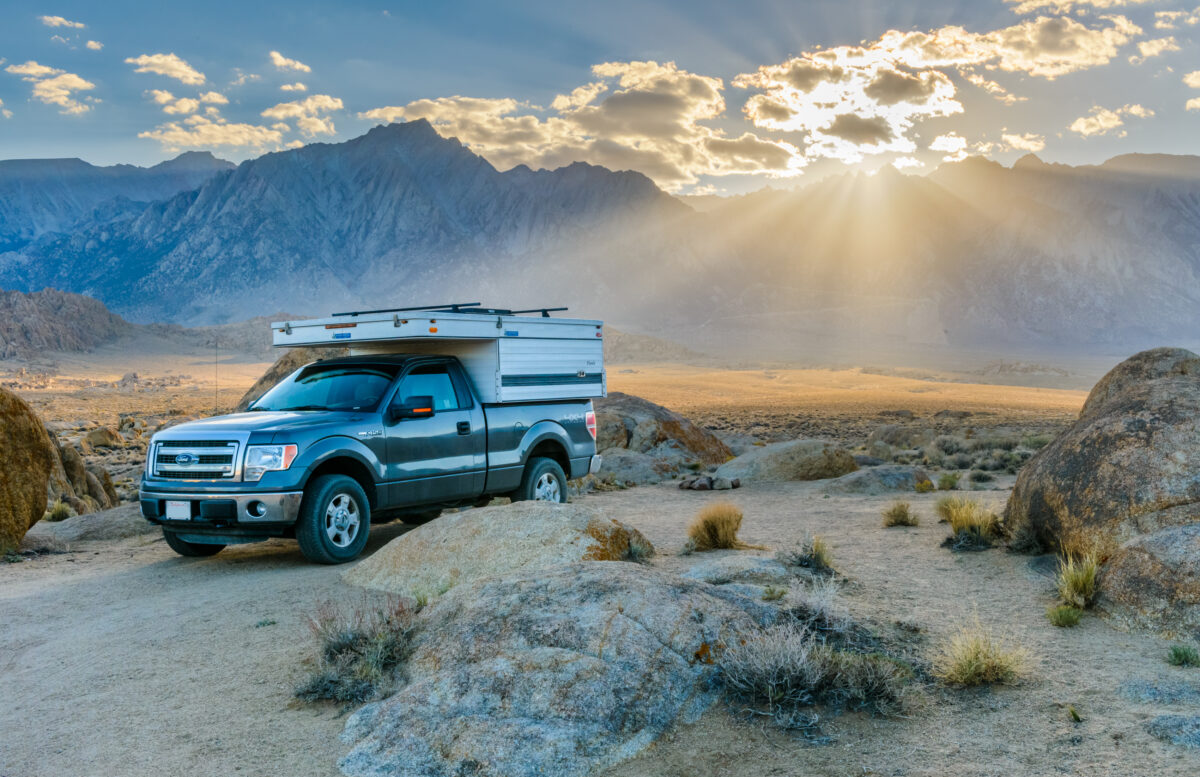
California might surprise people who only think of it as crowded coastline, but the state has an enormous amount of BLM and National Forest land inland, especially across the eastern Sierra, the high desert, and the far northern reaches of the state. You can camp beneath massive granite peaks near Bishop, explore volcanic terrain near Lassen, or find solitude in the Mojave outside the busier recreation corridors. California does require a campfire permit in many areas, even for a simple camp stove, so it's worth securing one before your trip, and fire restrictions here can be some of the strictest and most frequently updated in the country. Visit BLM California's recreation page for current dispersed camping information and permit details.
A Few Ground Rules That Apply Almost Everywhere
Regardless of which state you're headed to, a few rules tend to hold true across BLM and National Forest land:
- 14 day stay limit. Most dispersed sites cap how long you can stay in one spot before you're required to move at least 25 miles away.
- Stay on designated routes. Driving off established roads to reach a campsite damages terrain that can take years to recover, and it's often against local regulations.
- 200 foot buffer from water. Camp at least 200 feet from streams, lakes, and other water sources to protect fragile riparian areas.
- Check fire restrictions. We have a state-by-state guide for where to find the latest up-to-date fire restrictions in high-impact areas.
- No fee, no reservation, but check anyway. Dispersed camping is typically free and permit free, but always verify current fire restrictions, closures, and local rules before you go, since they can change with little notice.
- Make sure to follow leave no trace principles!
Bring the Right Off-Grid Truck Camper for the Job
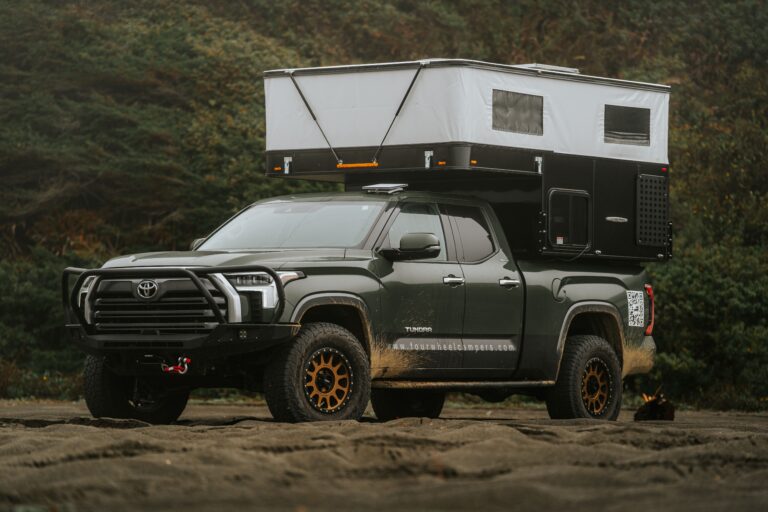
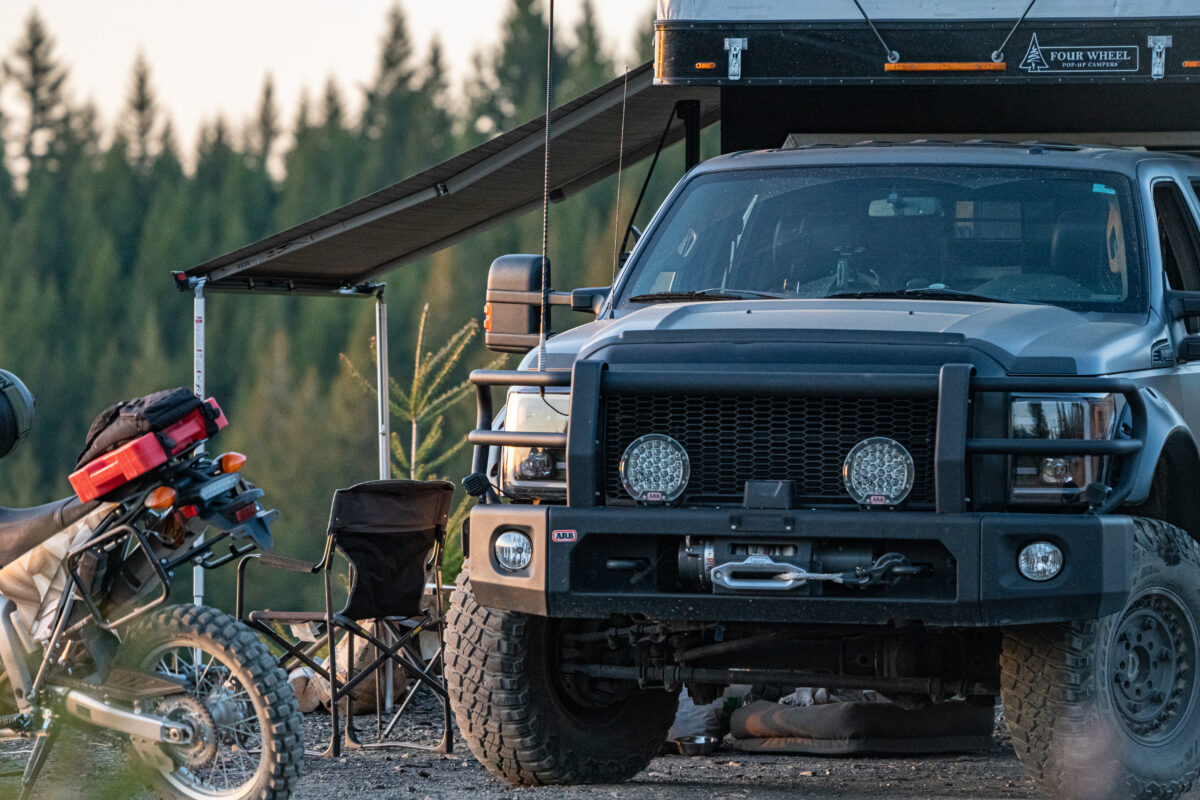
Dispersed camping rewards a truck and camper setup that can actually get you to the good spots, the ones a mile or two down a rough forest road, past the point where the crowds thin out. That's exactly what our pop up campers are built for. A low profile, lightweight design keeps your center of gravity down and your payload in check, so your truck handles the way it's supposed to on washboard roads and steep grades, and you can tuck into spots a taller, heavier rig would never attempt.
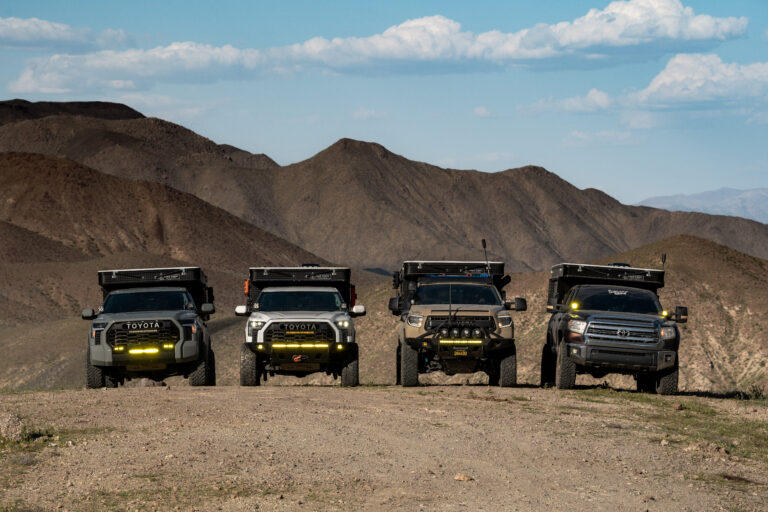
Whether you're headed into the red rock of Utah, the sagebrush basins of Wyoming, or the high desert of California, the right lightweight camper makes the difference between camping near the good spot and actually camping in it. Explore our full lineup, check your truck's payload, and get ready to put some of these states on your calendar.
FAQs on Dispersed Camping with Your Truck Camper
Is dispersed camping actually free?
Yes, in the vast majority of cases. Dispersed camping on BLM land and in National Forests is typically free with no reservation required. There are exceptions, some high use areas require a free self issue permit at a trailhead kiosk, California often requires a free campfire permit even for a camp stove, and Arizona's Long-Term Visitor Areas charge a seasonal fee for extended winter stays. Always check the specific field office or ranger district for your destination, since rules can vary even within the same state.
How long can you stay at a dispersed campsite?
The standard rule on both BLM and Forest Service land is 14 days within a 28 day period, though some areas set shorter limits or use different windows, so it's worth confirming locally. Once your time is up, most BLM regulations require you to move at least 25 miles away before starting a new stay, while Forest Service rules vary more by district. These limits exist to prevent dispersed sites from turning into permanent occupancy, so more people can enjoy the same land.
Do you need a permit for dispersed camping?
Most dispersed camping does not require a permit. That said, some high traffic areas, popular trailheads, and specific National Forests do require a free permit, and certain regions, like much of California, require a campfire permit even if you're only using a propane stove. Group camping and organized events often have separate permit requirements as well. When in doubt, a quick call to the local BLM field office or ranger district clears it up fast.
How far from water do you need to camp?
Most land management agencies require dispersed campsites to be at least 200 feet from any water source, including streams, lakes, springs, and even water tanks used for wildlife or livestock. This buffer protects fragile riparian habitat and keeps water sources clean for wildlife and other visitors. Some specific forests or field offices set a different distance, so it's worth checking the local rule if you're planning to camp near a river or lake.
What's the difference between BLM land and National Forest land for dispersed camping?
Both allow dispersed camping in most areas, but they're managed differently. BLM land tends to be lower elevation, drier terrain like desert and high plains, and is generally more open with fewer restrictions on where exactly you can camp relative to a road. National Forest land is usually higher elevation and forested, and dispersed camping there is often tied to a Motor Vehicle Use Map, which shows exactly which roads you're allowed to camp along. Both typically follow the same 14 day stay limit and require you to camp on already established, durable sites rather than creating new ones.