




Where to Camp Near Yosemite National Park
Published Date: September 17, 2026
By Shalee
Yosemite is one of those parks that lives up to the hype. Half Dome, El Capitan, waterfalls that thunder in the spring and trickle by late summer, giant sequoias that make you feel small in the best way. It's also one of the most popular parks in the country, which means camping here takes a little more planning than rolling up and finding a spot.
1. National Park Campgrounds
Camping inside Yosemite itself puts you closest to the main attractions, especially if you land a site in Yosemite Valley. It's also the most competitive camping in the park system, so knowing the system matters as much as knowing the campgrounds.
When to reserve: Most of Yosemite's reservable campgrounds, including Upper Pines, Lower Pines, North Pines, Hodgdon Meadow, and Wawona, open five months in advance on the 15th of each month at 7:00 a.m. Pacific time through Recreation.gov. For example, reservations opening on the morning of January 15 cover arrival dates from mid-May through mid-June. Summer dates routinely sell out within minutes, so if you have your heart set on a specific week in July or August, mark your calendar and be online right when the window opens. Tuolumne Meadows, the park's largest campground at 8,000 feet, runs on its own schedule, with roughly half its sites releasing two months in advance rather than five, which makes it a bit more approachable if you missed the early rush elsewhere. You can learn more about camping within Yosemite National Park here.
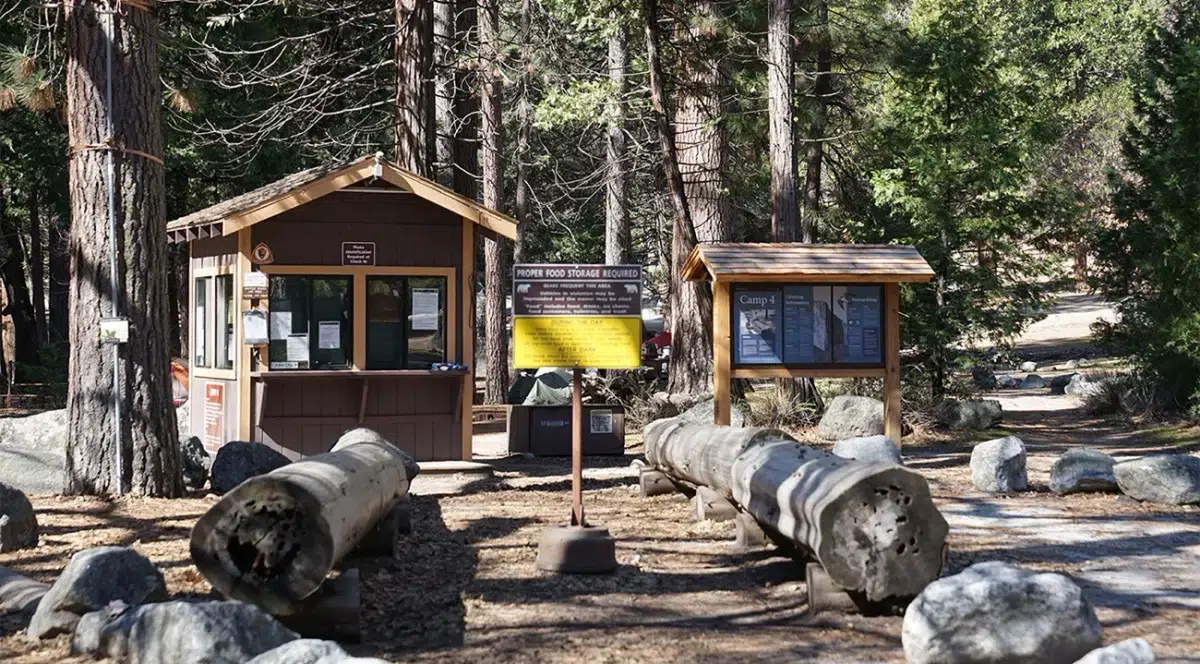
How much it costs: Standard campsites in Yosemite Valley and other developed campgrounds generally run $30 to $36 per night. Group sites and larger RV accommodations can run $60 to $75 per night. Camp 4, the historic walk-in climbers' campground below Yosemite Falls, is priced differently at $10 per person per night rather than per site.
Last minute and first-come option: If you weren't able to snag a reservation, Camp 4 is worth knowing about. During peak season, roughly mid-April through early November, it operates through a walk-up or short-notice reservation system on Recreation.gov, with a limited number of same-day and week-out releases. In the off season, typically November through mid-April, Camp 4 reverts to a true first-come, first-served basis, with campers self-registering on arrival. Beyond Camp 4, your best bet for last minute in-park camping is watching Recreation.gov for cancellations, which do open up, especially for single night gaps or for dates just a day or two out. It's also worth calling the campground directly, since staff sometimes have more current information on same day availability than the booking site shows.
A few things to know before you book: There's a 30 night camping limit within Yosemite per calendar year, and from May 1 through September 15, that limit drops to 14 nights, with only 7 of those allowed in Yosemite Valley or Wawona. Cancellations made more than 48 hours before arrival only cost a $10 fee, so if your plans change, cancel early and free up the site for someone else.
2. Nearby Campgrounds
If in-park camping doesn't pan out, or if you'd simply rather stay somewhere quieter with easier access in and out, the towns and forest land ringing Yosemite have plenty of solid options, often at a fraction of the crowd level.
Near the South Entrance (Fish Camp and Oakhurst): This is one of the most convenient bases if you're entering via Highway 41. Summerdale Campground, run by the Forest Service in Sierra National Forest, sits just a couple miles from the South Entrance and offers standard tent and RV sites with vault toilets and fire rings. Big Sandy Campground, a bit further out along Big Creek, is a quieter, more forested option in the same area. Both put you close enough to Mariposa Grove and the Wawona area that you can be in the park well before the crowds build.
South Entrance Campgrounds:
Near the Big Oak Flat Entrance (Groveland): Groveland sits about 25 to 30 miles from the park boundary along Highway 120 and has become a popular basecamp, with a mix of Forest Service campgrounds and private options. Keep in mind that while Groveland itself isn't far from the entrance, driving time within the park to reach Yosemite Valley can add another 45 to 60 minutes, so plan your days accordingly.
Groveland Camping Options:
Near the Arch Rock Entrance (Highway 140 corridor): This route follows the Merced River and has several campgrounds along the way, offering a scenic approach into the valley from the west. If coming from this direction, there are six public campgrounds in this area. These include:
Arch Rock Entrance Campgrounds:
Private campgrounds and RV parks: Beyond Forest Service campgrounds, there are private RV parks and campgrounds scattered through Mariposa, Groveland, and the Highway 41 corridor that offer hookups, showers, and other amenities you won't find on public land. These fill up fast in summer too, so the same advice applies: book as early as your plans allow.
Recreation.gov has a great map that shows government-run campgrounds both insight Yosemite National Park and outside the boundaries on other public land.
3. Dispersed Camping Options
For truck camper owners, this is often where the trip gets really good. Dispersed camping isn't allowed inside Yosemite itself, but the national forests surrounding the park, Stanislaus to the west, Sierra to the south, and Inyo to the east, offer genuine free camping on public land, along with a network of developed Forest Service campgrounds that are far less crowded and far cheaper than anything inside the park. The best way to find dispersed campgrounds is by downloading the iOverlander app on your phone and searching for approved nearby campsites.
Once on the app, try looking at these areas:
- Stanislaus National Forest (west side, via Highway 120): This forest covers the approach most people take from the Bay Area or Sacramento. Dispersed camping here typically allows stays of up to 16 days within a 30 day period, and sites need to be at least 100 feet from water, trails, roads, and developed campgrounds. Areas along Evergreen Road and Hardin Flat Road have long been popular with dispersed campers, though as use increases near Yosemite, some of these areas are moving toward designated sites only, so it's worth checking current forest orders before you go. Cherry Lake is another good option, with dispersed camping allowed around the lake at least 100 feet from the high water mark.
- Sierra National Forest (south side, via Highway 41): This forest governs the area around Bass Lake, Shaver Lake, and the South Fork of the Merced River. Dispersed camping limits here are generally 14 days, and it's important to know that land within about a mile of Yosemite's southern boundary is often closed to dispersed camping during fire season, typically June through October, due to high wildfire risk. Goat Meadow, close to the South Entrance and Mariposa Grove, is a well known and easily accessed dispersed area in this forest.
- Inyo National Forest (east side, via Tioga Pass and Highway 395): If you're approaching from the east side of the Sierra, Inyo National Forest offers some of the most accessible and popular dispersed camping in the region. Owens River Road, located between Lee Vining and Mammoth Lakes, is a longtime favorite, with numerous pull-out spots and established sites along the road, and generous stay limits of up to 28 days. The Mammoth Scenic Loop area is another well shaded, popular option if you're headed toward Tioga Pass. Keep in mind this side of the park sits at higher elevation, so nights stay cold even in summer, and Tioga Road itself typically closes with the first heavy snowfall and doesn't reopen until late spring.
What to expect with dispersed camping
There are no services at true dispersed sites, no water, no bathrooms, no trash pickup, so come prepared to be fully self sufficient and pack out everything you bring in. A campfire permit is required for campfires anywhere on federal land in California, and fire restrictions are common and can change quickly, especially close to Yosemite during peak summer and fall. Always check current forest orders for whichever forest you're headed into before you leave, since rules and closures shift by district and by season.
Where to Check Fire Bans When Dispersed Camping
How to Leave No Trace While Dispersed Camping
Developed Forest Service campgrounds
If free dispersed camping isn't your style but you still want to avoid the crowds and cost of in-park camping, all three surrounding forests have developed campgrounds with vault toilets, fire rings, and picnic tables for a modest fee, typically well under what you'd pay inside Yosemite itself. These tend to be first-come, first-served or reservable through Recreation.gov depending on the specific campground, and they're a great middle ground between full dispersed camping and a developed park site.

Why a Truck Camper Makes This Trip Easier
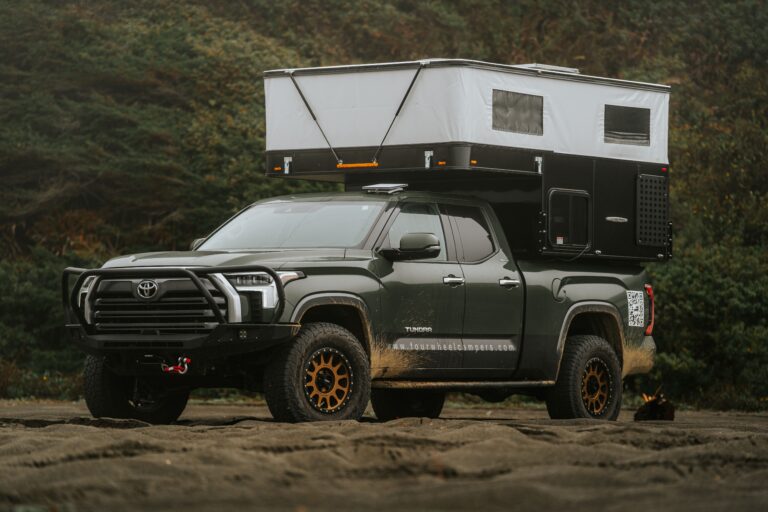
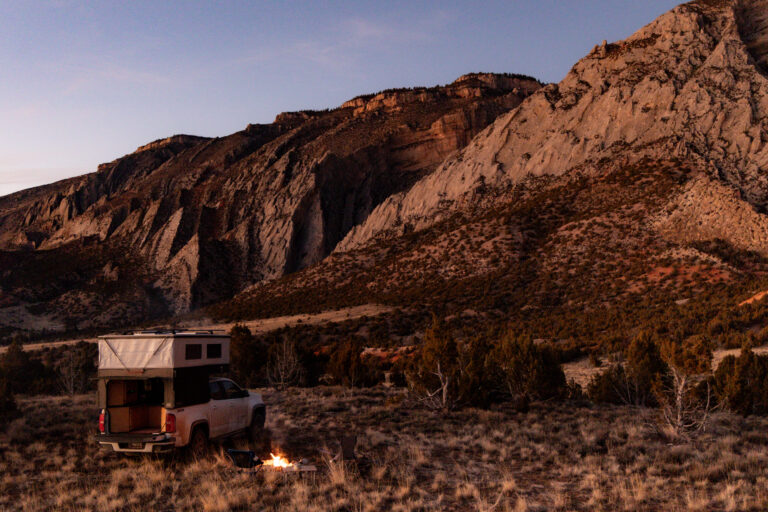
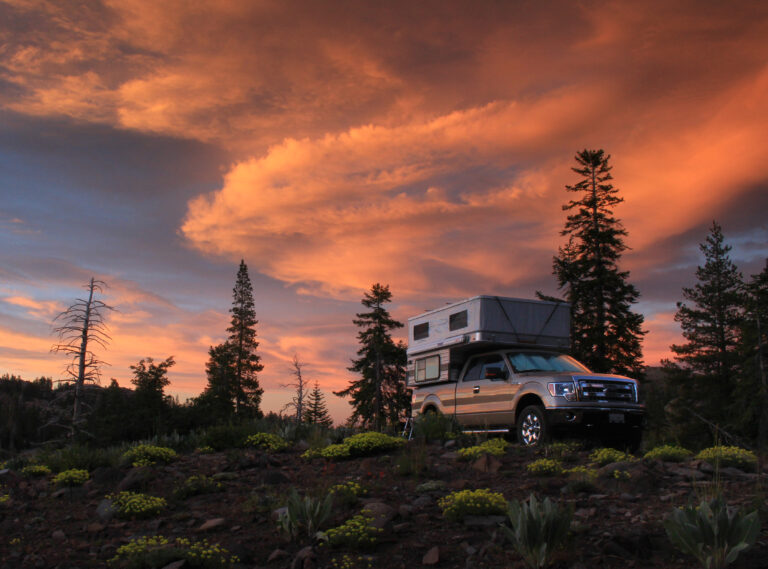
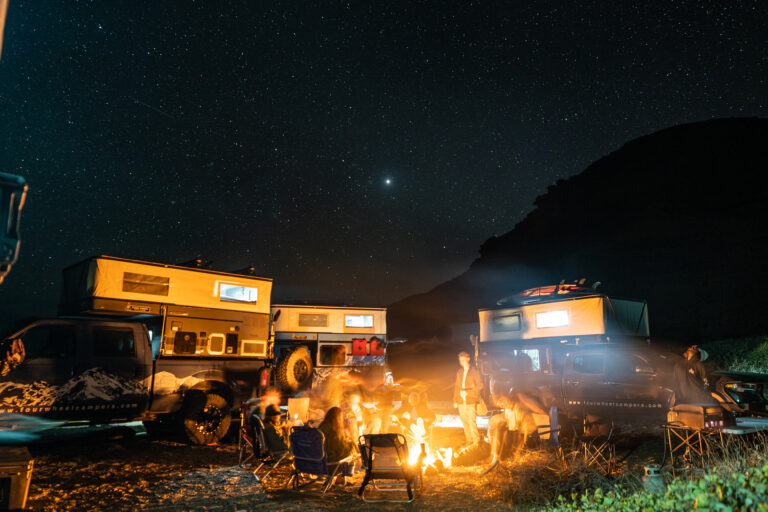
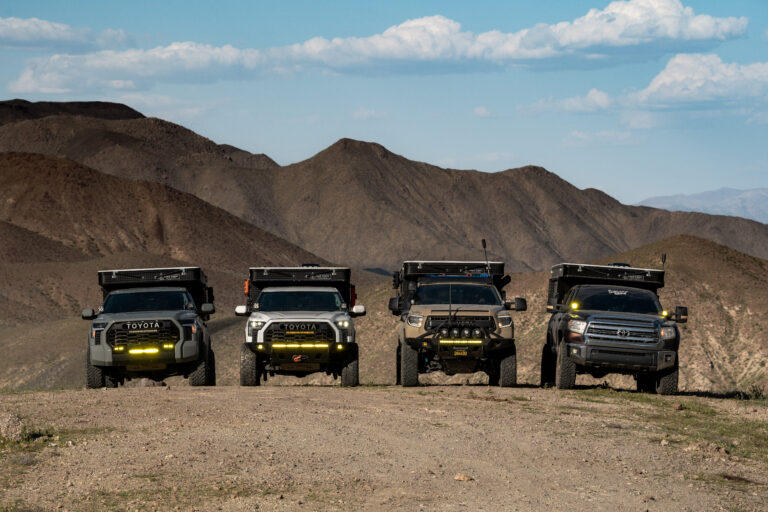
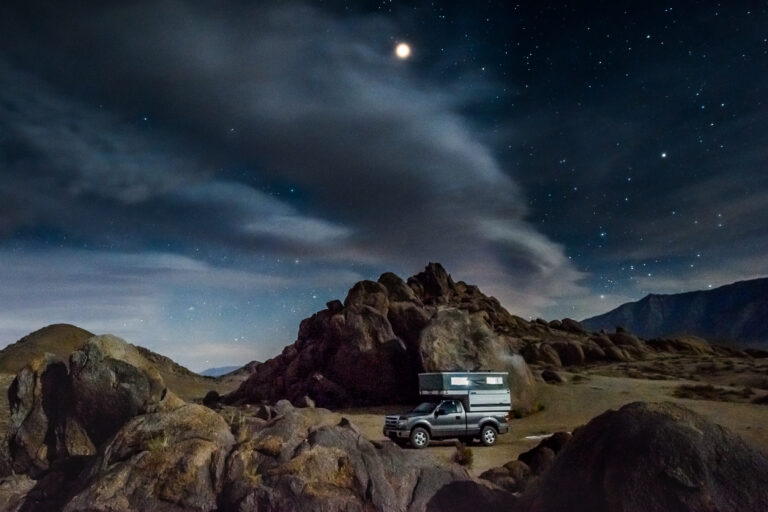
Between the reservation scramble inside the park and the rough forest roads leading to the best dispersed spots outside it, a lightweight pop up camper is genuinely one of the best tools for a Yosemite trip. You're not locked into a single reservation strategy. If the in-park sites don't pan out, you can pivot to a nearby Forest Service campground or a genuine dispersed site without needing hookups, without towing anything through mountain switchbacks, and without worrying about ground clearance on the rougher access roads that lead to some of the quieter spots.
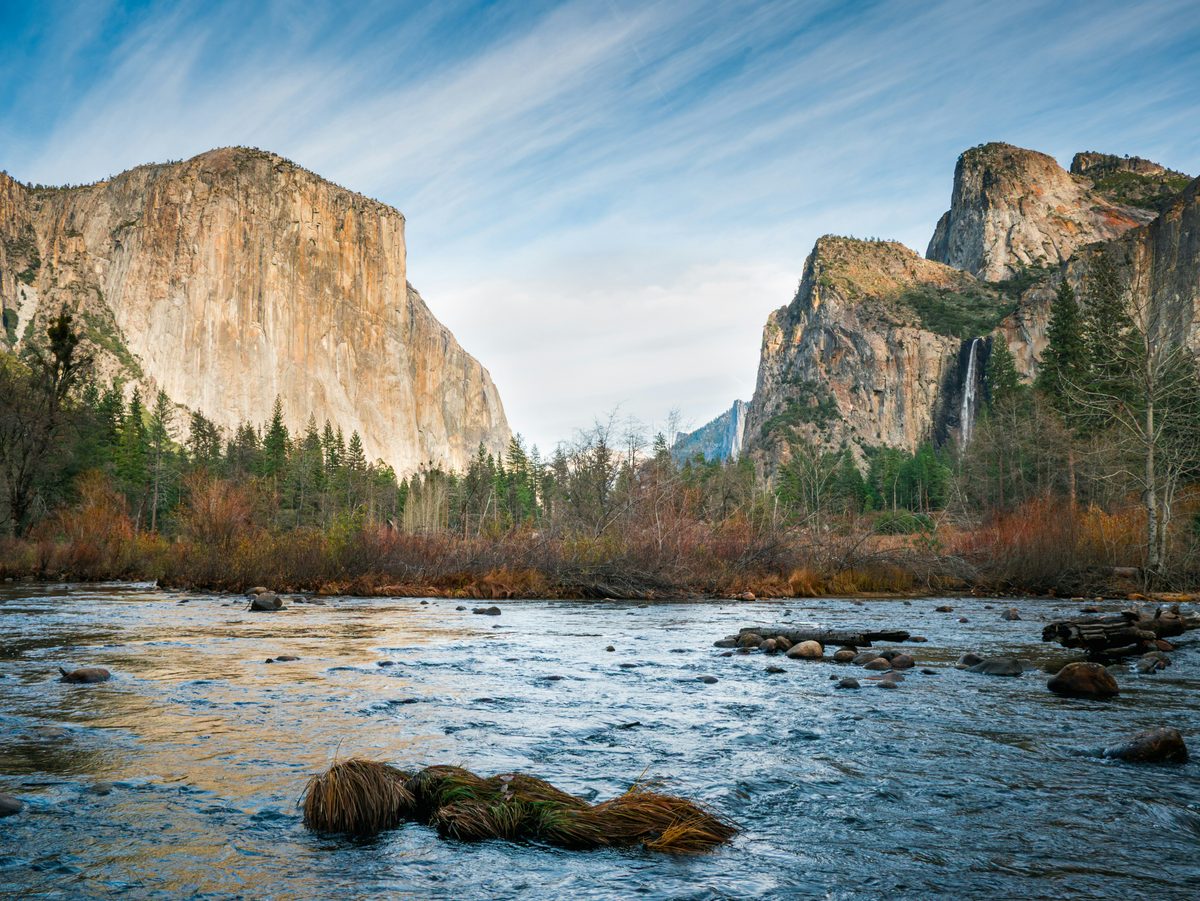
Whether you end up parked along the Merced River in the Valley or tucked into a pullout on Owens River Road with Mono Lake in the distance, the right setup means you spend less time worrying about logistics and more time looking up at some of the best scenery California has to offer!