





Baja Road Trip Guide + Itinerary: What to Know Before You Go
Published Date: February 14, 2024
By Shalee
Embarking on a Baja road trip is a dream come true for adventurers, especially those in our truck camper community! It’s a route that is popular among Four Wheel Camper owners, and we love to see it!
We also understand that Baja isn’t just a simple road trip to embark on. It is, after all, in a different country and includes travel through remote, desolate desert. Because of this, we’ve put together an official Baja Road Trip Guide to help you plan for an unforgettable and incredible trip in Baja!
Baja Road Trip Guide
1. Plan Your Route:
Before hitting the road, plan your route meticulously. Baja California offers a diverse range of experiences, from beautiful coastal towns to remote desert landscapes. Research popular destinations such as Ensenada, La Paz, and Todos Santos, while also considering off-the-beaten-path gems. Use maps and GPS to chart your course and stay informed about road conditions and fuel stations along the way. Baja is wild & remote, with many long desert stretches. Make sure you plan and don’t get stranded along the way!
2. Check Your Vehicle and Gear:
No one wants car or truck trouble in the middle of Baja! Save yourself future stress by getting your vehicle (and pop-up camper!) inspected and tuned up before you leave. Don’t forget to inspect your additional gear, such as kitchen essentials, first-aid kit, recovery gear, etc. Having a well-prepared vehicle and gear will make your journey smoother and safer.

3. Secure Travel Documents:
Before crossing the border into Mexico, check entry requirements, and don’t forget vital travel documents! This includes a valid passport, vehicle registration, driver’s license, and vehicle insurance that covers you in Mexico (like Baja Bound Insurance). Familiarize yourself with your map or GPS to make sure you stay on track to your intended route after crossing the border.
From the U.S. Department of State as of July 2023:
Temporary import permits for cars registered in the United States are needed in order to drive beyond the border zones in Mexico. Permits are enforced when driving approximately 20 kilometers into Mexico. Permits are NOT needed in the Baja Peninsula.
- U.S. citizens must present a valid U.S. passport book or card, in addition to an entry permit (Forma Migratoria Multiple or FMM) issued by Instituto Nacional de Migración (INM).
- Travelers should be sure to enter Mexico with valid proof of automobile registration, even if remaining in the border zone. Entering Mexico with an expired U.S. vehicle registration may lead to the confiscation of the auto by Mexican authorities.

4. Embrace the Culture:
One of the highlights of a Baja road trip is immersing yourself in Mexico’s incredible culture. Contrary to some beliefs in the United States, Mexico is incredibly safe, welcoming, and friendly. Many locals won’t know much English, so it is beneficial to brush up on your spanish for you head out. Knowing the basics will get you further than you think!
Pull off in a small town, explore, try new foods, and take time to soak up the local moments during this once-in-a-lifetime adventure. You won’t regret it!
5. Camping in Baja
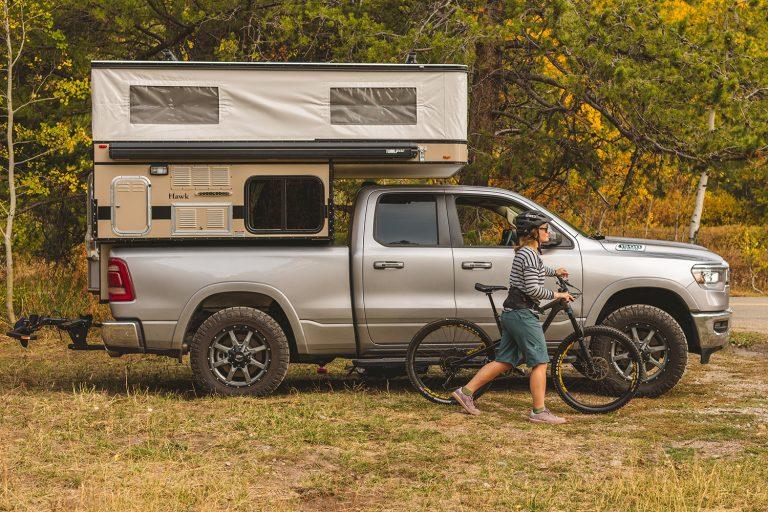
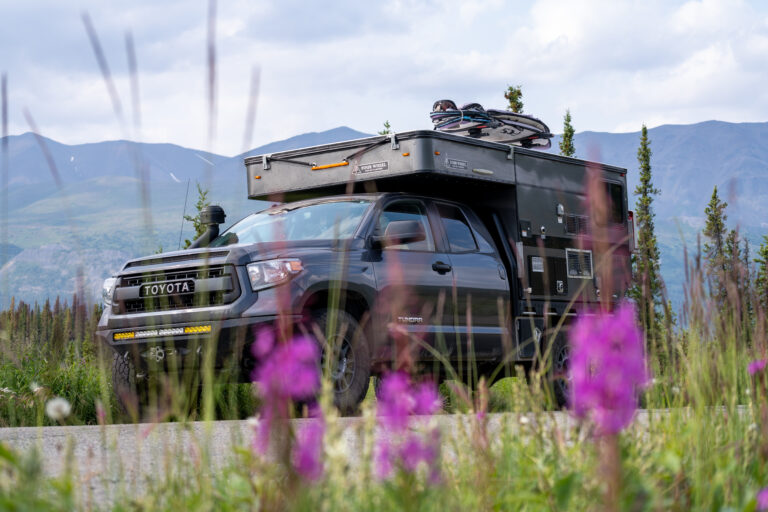
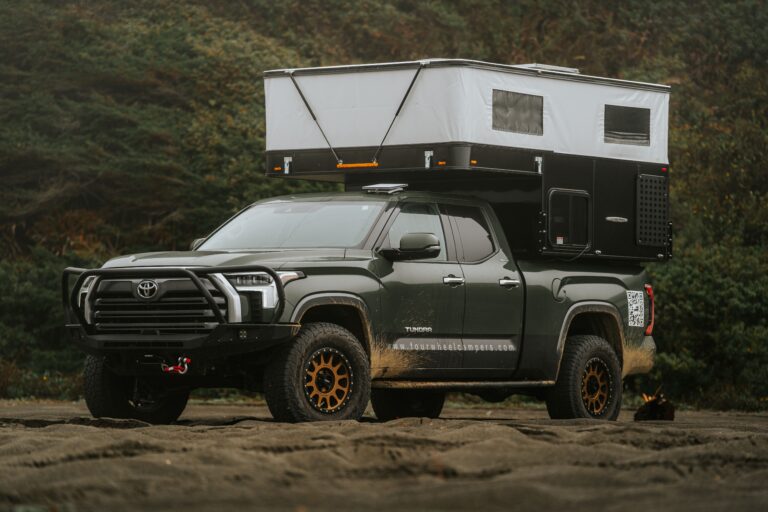
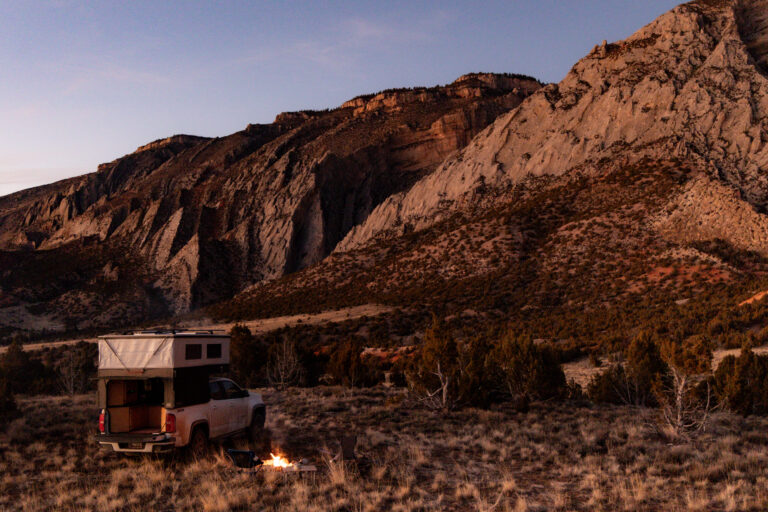
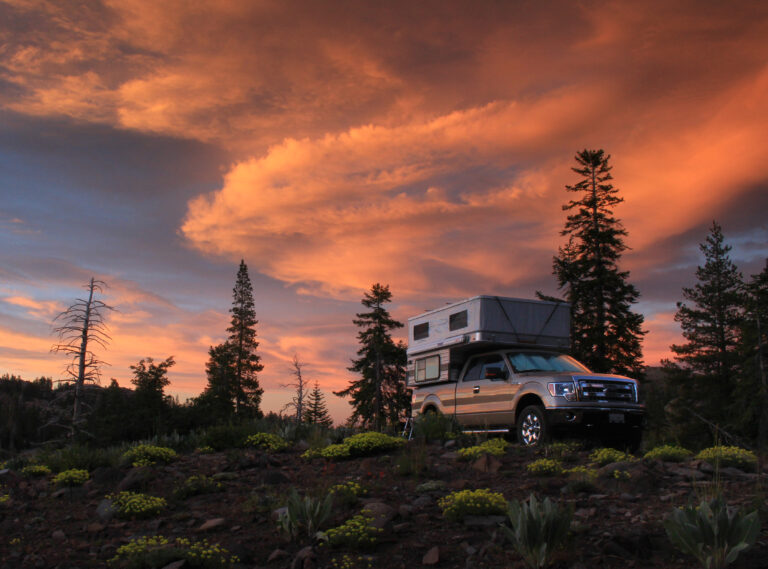
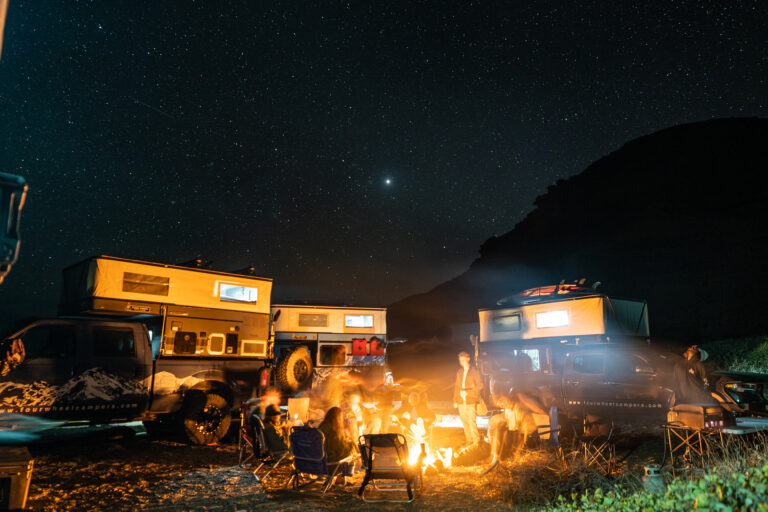
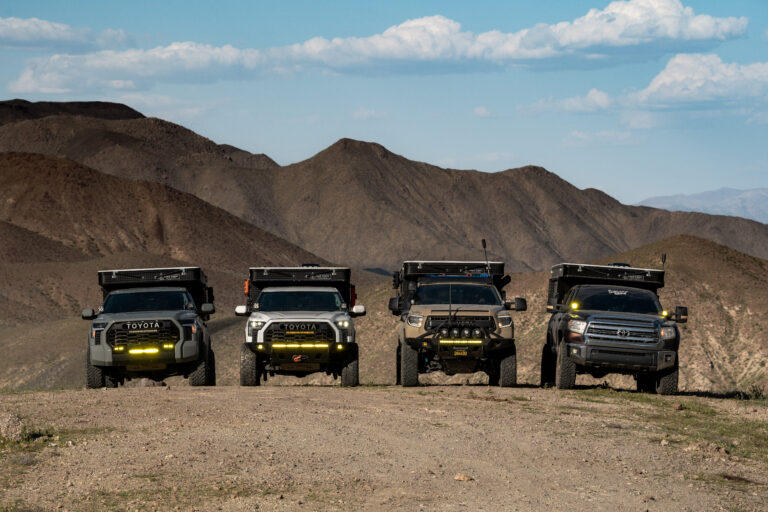
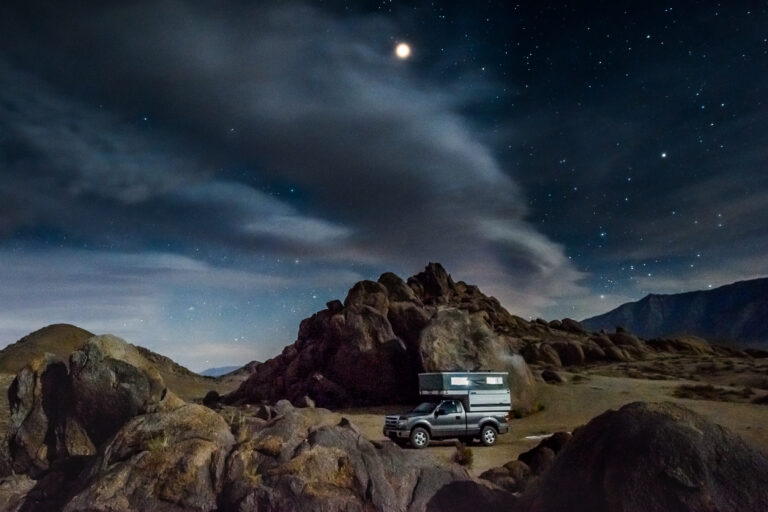
Camping is the preferred method while road-tripping Baja. We have many photos from our Four Wheel Camper community showing their cab over campers in scenic campsites all along the peninsula. From beachside boondocking to tranquil desert campsites, you’ll have endless options.
While camping on beaches, exercise caution and avoid driving too close to the water to prevent getting stuck in soft sand. Tides are sneaky! Bathrooms are another important detail to cover before leaving, as the bathroom situation may not always be the most ideal. Most areas along the Baja Peninsula only offer pit toilets and outhouses, and it is recommended to carry a privacy tent and own toilet for the trip.

6. Pack Light and Responsibly
As you’ll be exploring remote areas, it’s crucial to pack light and responsibly. Bring only essential items, and we recommend working hard to eliminate excessive waste items, such as single-use plastics. Be mindful of waste disposal and always leave your camping spots as pristine as you found them. Respect the fragile ecosystems and wildlife that call Baja their home.
Most of the water in Mexico is not safe to drink straight from the faucet, so plan accordingly! Instead of continuously using bottled water, either pack a filtration system or utilize clean water stations, which are found near most gas stations.
7. Safety First
Safety is paramount during your Baja road trip. Always inform someone about your travel plans and check in regularly. Keep an emergency kit with essential supplies, extra water, and food in case of unforeseen circumstances. Be cautious when driving at night and avoid unfamiliar routes after dark.
Like any remote adventure, we always recommend carrying an emergency satellite GPS. The most common choice is the Garmin InReach Mini. It’s not the cheapest piece of equipment, but adds and extra layer of protection that could save your life!

Baja Road Trip Guide: Example Itinerary
Day 1: San Diego to Ensenada (Distance: Approx. 77 miles)
Begin your journey by crossing the border into Mexico at San Ysidro and continue to the vibrant coastal city of Ensenada. Explore local attractions like the Mercado Negro fish market and La Bufadora, a natural blowhole where the Pacific Ocean surges into the air.
Day 2: Ensenada to San Quintin (Distance: Approx. 152 miles)
As you head south, the landscape transitions into picturesque vineyards. Don’t miss the chance to sample Baja’s renowned wines at Valle de Guadalupe. Continue on to San Quintin, a peaceful fishing town with stunning beaches and excellent seafood.
Day 3-4: San Quintin to Guerrero Negro (Distance: Approx. 216 miles)
Embrace the desert scenery as you drive through the remote regions of Baja. Reach Guerrero Negro, a haven for whale-watching during the winter months. Take a guided tour to observe majestic gray whales up close in their natural habitat.
Day 5: Guerrero Negro to Bahia Concepcion (Distance: Approx. 240 miles)
Admire the changing landscapes as you head towards Bahia Concepcion, a breathtaking bay with turquoise waters and white sandy beaches. Camp along the shoreline and revel in the serenity of this natural paradise.

Day 6: Bahia Concepcion to Loreto (Distance: Approx. 215 miles)
Make your way to Loreto, a charming town with a rich history and a laid-back atmosphere. Explore the historic Mission of Our Lady of Loreto, or venture into the nearby Sierra de la Giganta mountains for hiking and wildlife spotting.
Day 7-8: Loreto to La Paz (Distance: Approx. 217 miles)
Drive to La Paz, the capital of Baja California Sur, and enjoy its vibrant waterfront, bustling markets, and delicious street food. Take a boat trip to Isla Espiritu Santo, a UNESCO World Heritage site, and marvel at its stunning beaches and diverse marine life.
Day 9: La Paz to Todos Santos (Distance: Approx. 58 miles)
Venture to Todos Santos, an artsy and bohemian town with a thriving creative community. Stroll through the charming streets, visit art galleries, and savor farm-to-table cuisine.
Day 10: Todos Santos to Cabo San Lucas (Distance: Approx. 47 miles)
Conclude your Baja California road trip in Cabo San Lucas, a popular resort destination known for its picturesque beaches and vibrant nightlife. Relax on the sands, go snorkeling or whale-watching, and bid farewell to your incredible Baja adventure.
Baja Road Trip With Your Four Wheel Camper
Ready to get equipped for your Baja adventure? We’ve got you covered! Here’s our overlanding and road-tripping gear guide.
If you have a Four Wheel Camper, you’re all set! If you don’t, it might be time to explore our truck camper inventory. All of our cab-over truck campers are custom-built and are ready to handle the terrain of any Baja adventure.
Learn more about our company here.
